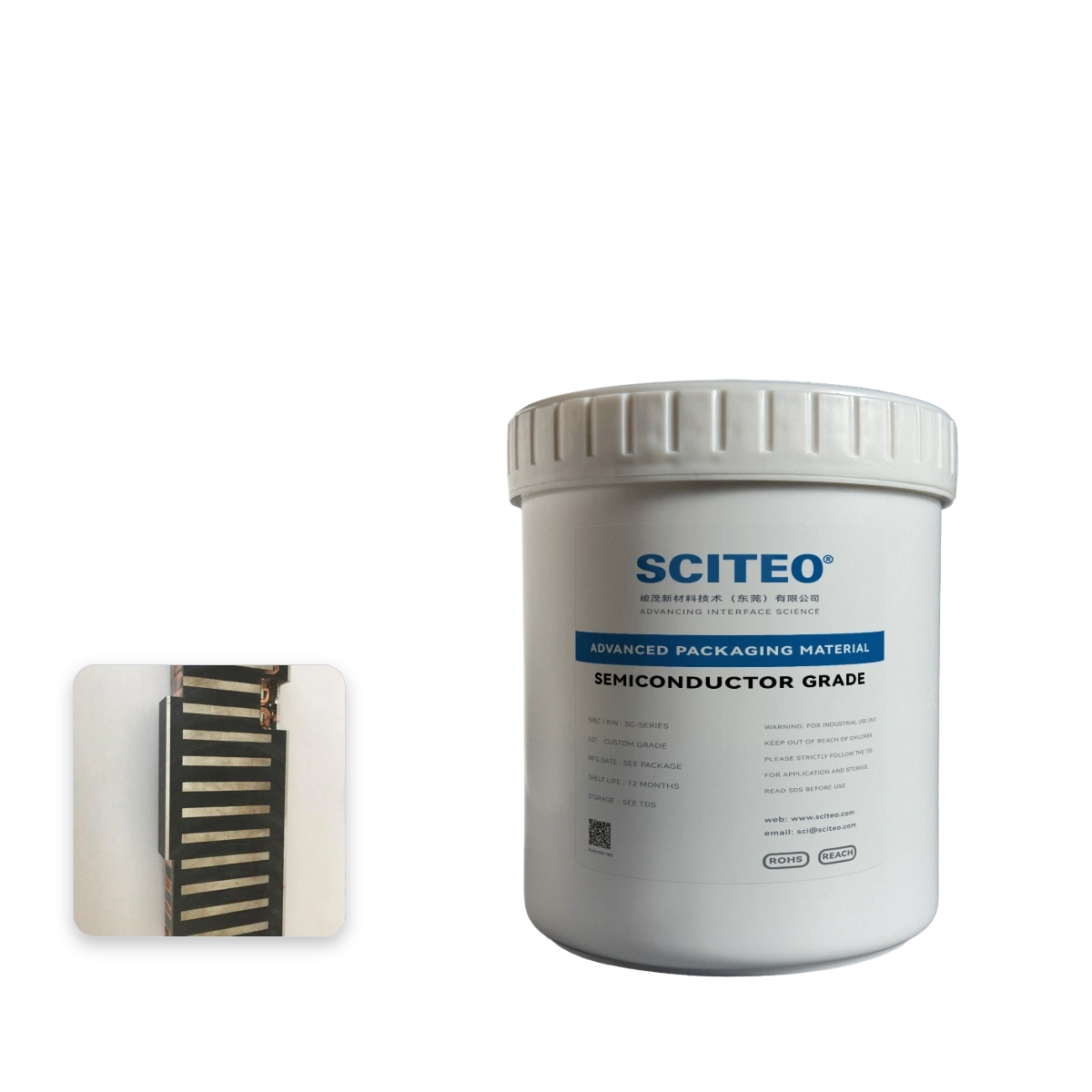
SC6080 Thermal Potting Epoxy — High-Hardness, RT-Cure, Insulating, Low-Viscosity, Two-Component
Thermal series. Two-component, RT-cure. Bonds metal, ceramic, glass. High hardness (86D), impact-resistant, insulating. 2.0 W/m·K, 3200 MPa modulus, low viscosity.
Power modules, sensors, compute chips and heat-dissipation components — gap filling, thermal conduction, sealing and insulation.
- Shear Strength
- 18 MPa
- Temperature Range
- −40 °C–180 °C
- Cure Condition
- RT or heat cure
- Viscosity @ 25 °C
- 4500 mPa·s
SCITEO Rigorous Standards: Qualified under GJB 150 environmental reliability testing by Zhenhua, CETC, and CAC, delivering mission-critical reliability.
Engineered as high-reliability domestic qualified alternatives for semiconductor and defense manufacturing clusters across Shanghai Zhangjiang, Xi'an, Chengdu, and Wuxi.
Specifications Don't Match Your Operating Conditions?
Only the baseline series is shown here. SCITEO's undisclosed archive holds formulations engineered for extreme environments. Contact us — our application engineers will match you precisely.
High Reliability Scenarios
Core positioning and partial application demonstration of this product under complex operating conditions.
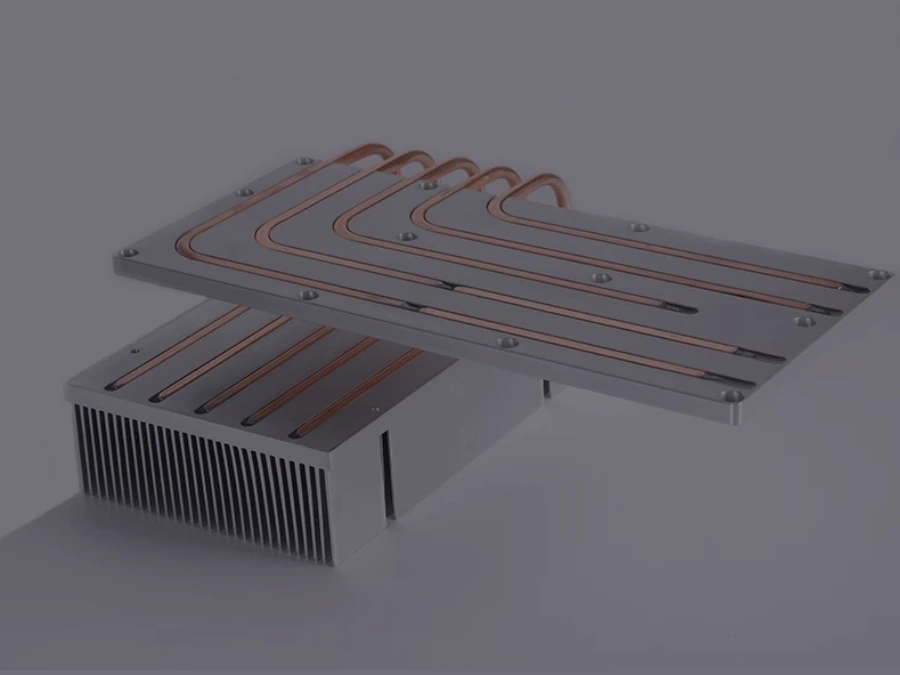
Thermal Component Potting
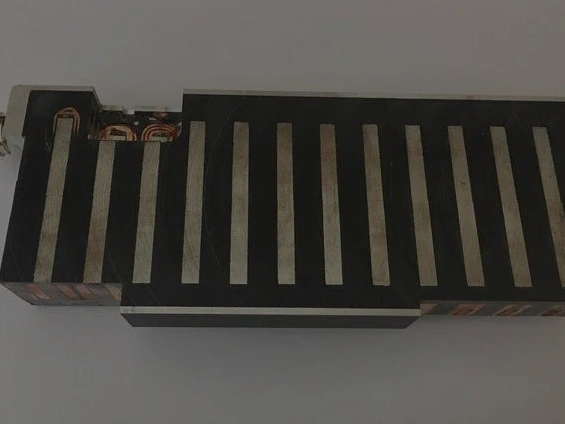
Power Component Thermal Potting
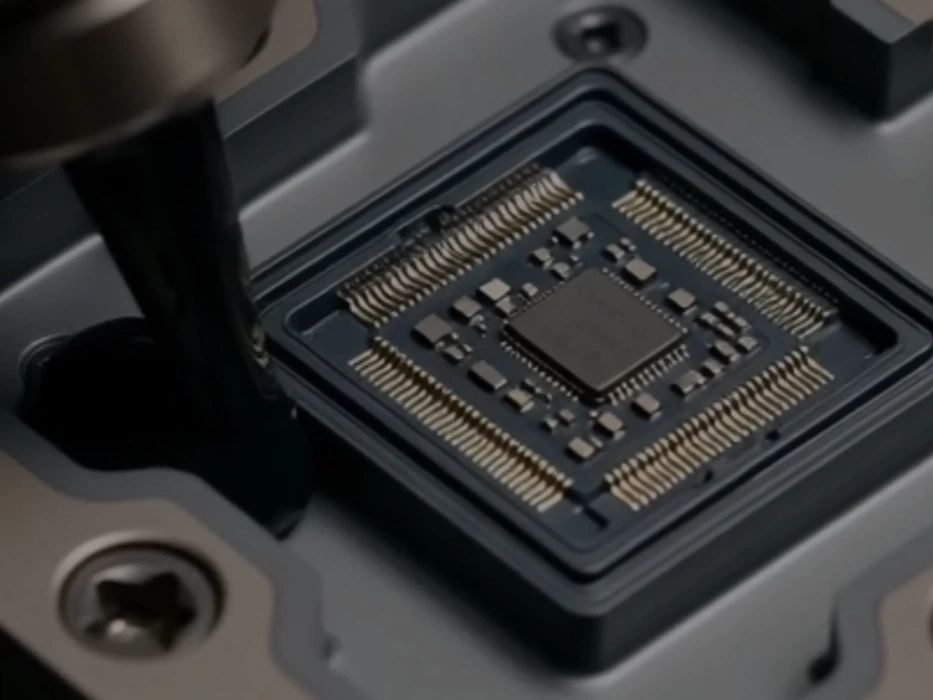
Chip Module Thermal Potting
Application Engineer FAQ
A structured brief from SCITEO covering physical properties, application standards, and related specifications.
Epoxy vs. silicone potting?
Silicone supports the joint as an elastomer: reworkable with high elongation at break. Epoxy supports via a rigid framework, with higher mechanical strength, high post-cure hardness, and no reworkability.
Is two-component handling cumbersome? What if I need higher temp?
Without automation, two-component work means weighing, mixing, and pot-life control, and is prone to cure anomalies. For higher temperatures, specify a SCITEO 300–500 °C thermal adhesive.
Request Technical Documentation or Consult an Application Engineer
Receive product documentation and customized formulations. Please provide accurate information for verification.
Recommended Advanced Materials
Explore more proven SCITEO solutions for other critical application environments to close the loop on microelectronics safety.
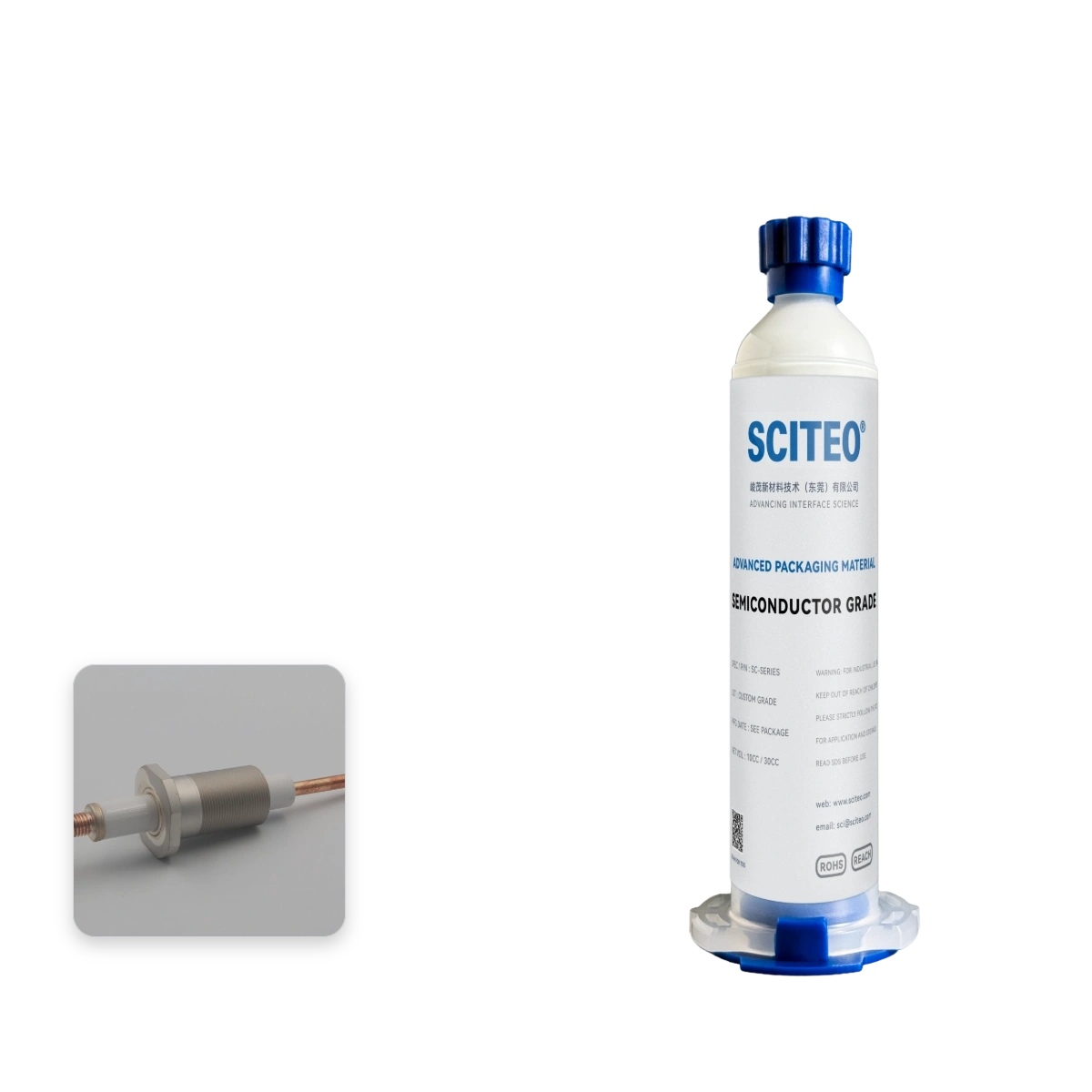
SC633 Long-Term 400 °C Potting Compound — Thermal, Insulating, Acid/Alkali-Resistant, Single-Component
Long-term 400 °C+ potting. 2.5 W/m·K thermal, insulating, acid/alkali/solvent resistant, dense, void-free fill, boil-proof with no delamination, zero high-temp outgassing. Heat aging 360 h at 400 °C: 96% shear-strength retention.
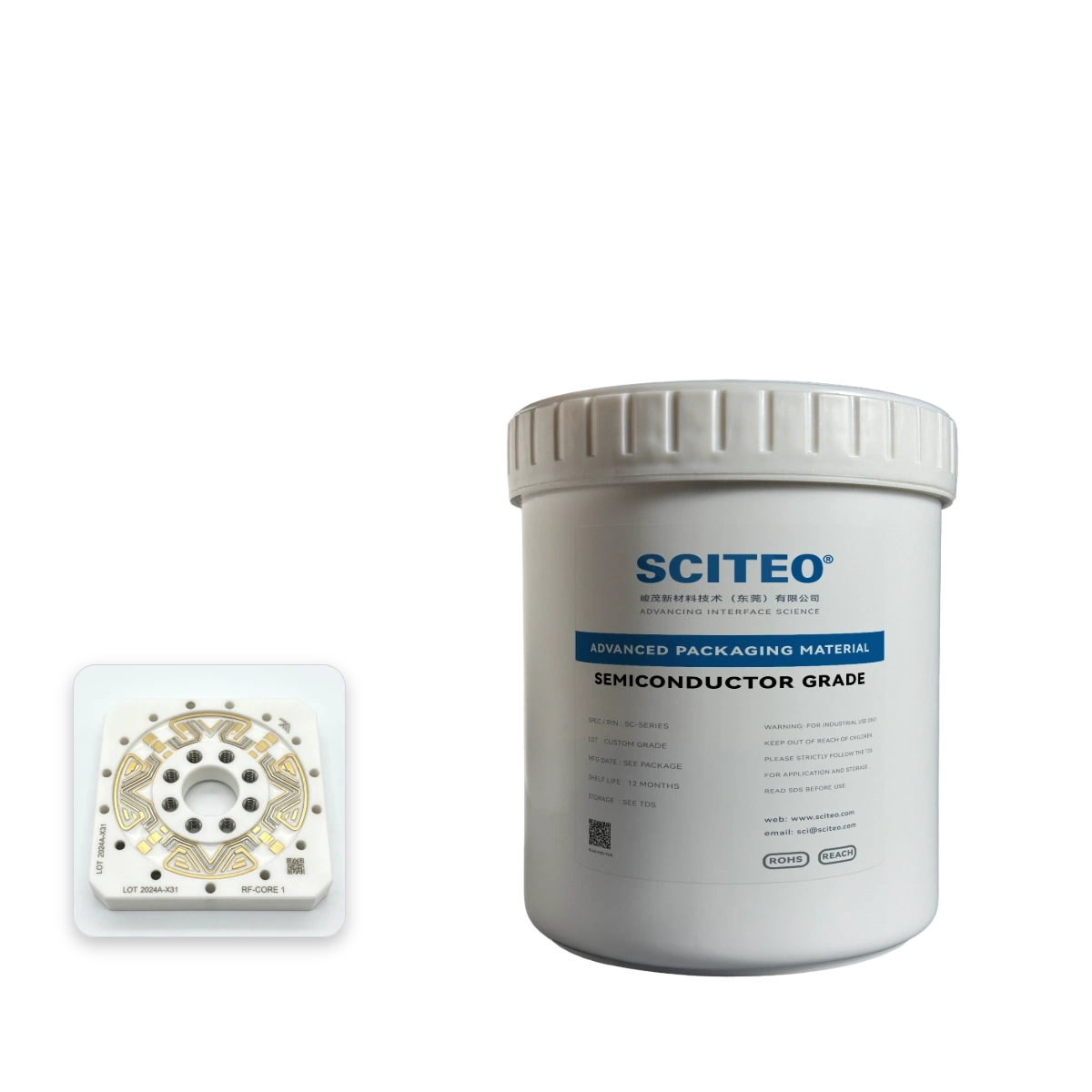
SC6002 280 °C Potting Epoxy — 2.5 W Thermal, Low-CTE, Insulating, 30 MPa, Two-Component
Low-viscosity self-leveling, 280 °C, 30 MPa bond, 2.5 W/m·K, HB flame-retardant insulating. Low CTE compatible with varied substrates. 1000 thermal cycles (−40 to 125 °C): 88% shear retention; damp-heat 1000 h (85 °C / 85% RH): 80% shear retention.
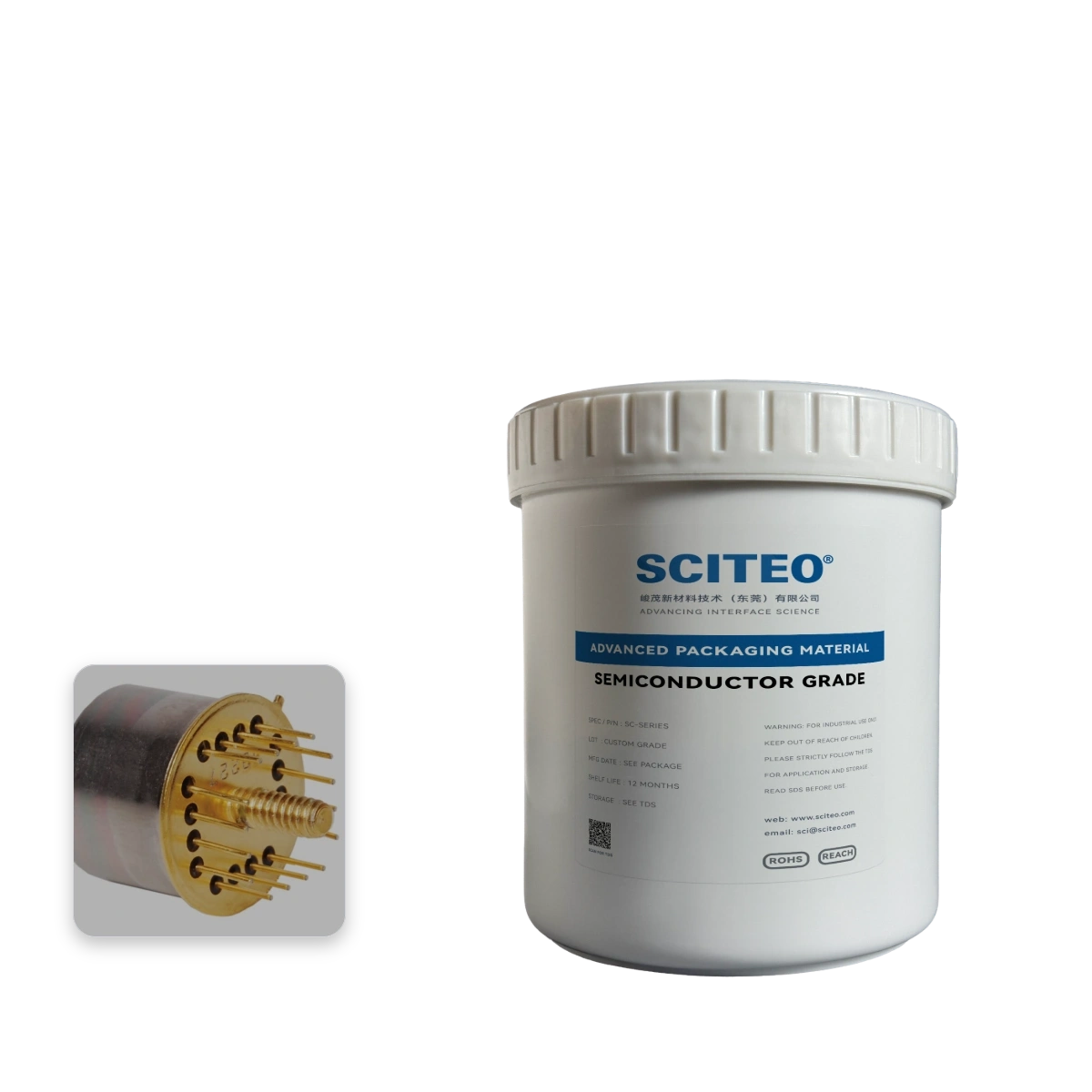
SC3960 −70 °C Cryogenic Epoxy — Thermal, High/Low-Temp Cycling, 96D Ultra-Hard, Potting & Bonding
SC3960 cryogenic epoxy. −70 °C no cracking, Mil-Std pass. 180 °C high-temp, 1.5 W/m·K thermal. 96D hardness: 200 MPa compressive, 120 MPa flexural. Bonds military & automotive-grade parts. 1000 thermal cycles (−40 to 125 °C): 96% shear retention.